Megamarket
Situation
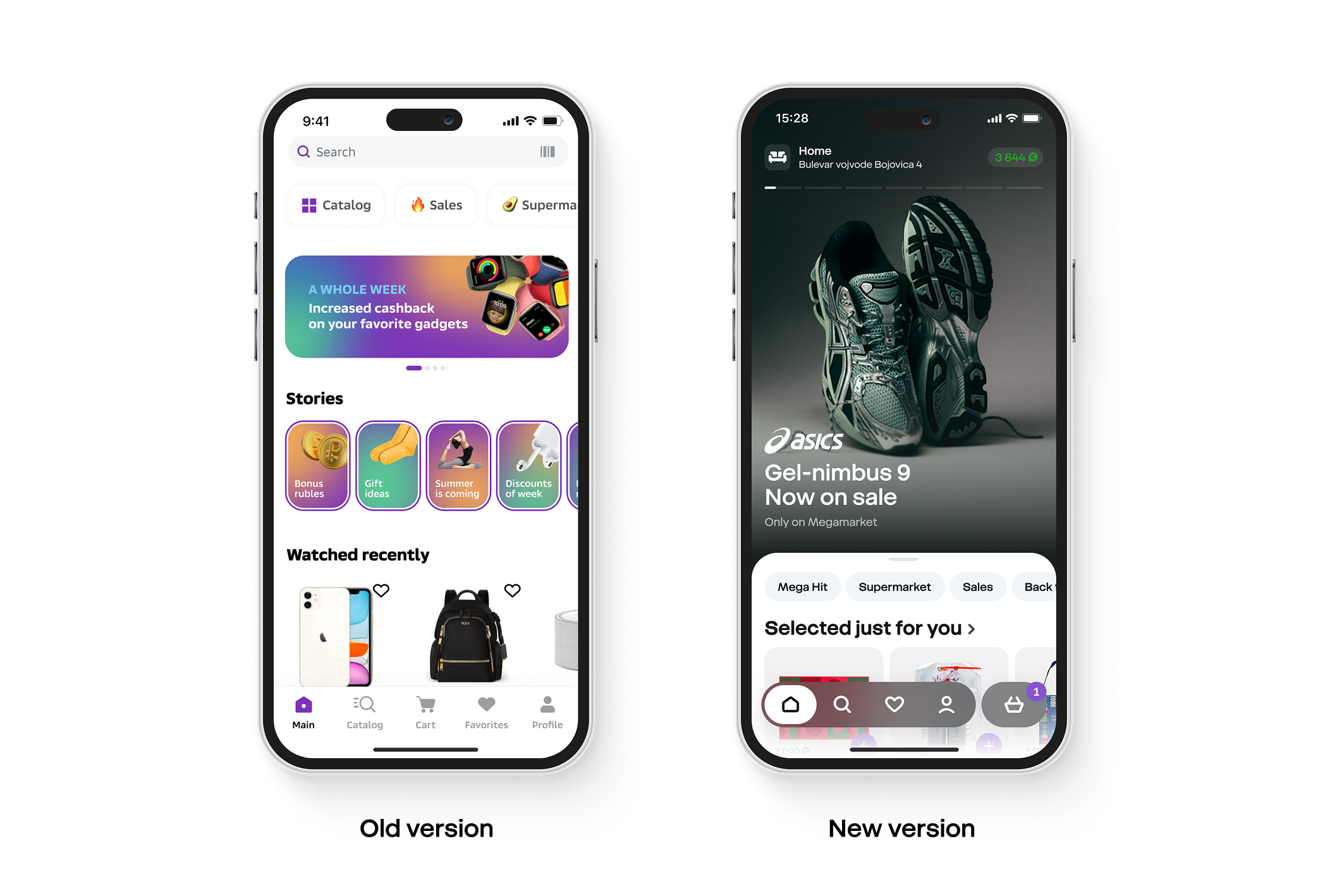
The marketplace had been grown fast by attracting users for high cashbacks and discounts, but UI was outdated and UX was too generic. It didn't reflect the specifics of different categories like fashion, beauty, FMCG, etc, which made it hard to scale and it affected conversion.
Task
My task was to build a consistent and the same time flexible system — something scalable, but still unique for each category. It wasn't just about visuals — it was a full rethinking of how customers interact with the marketplace.
Actions
Action 01
The first step was to collect inspiring products in terms of user interface, communication, and positioning, explaining exactly what I liked and wanted to use as a basis for the visual language and design principles of our new marketplace.
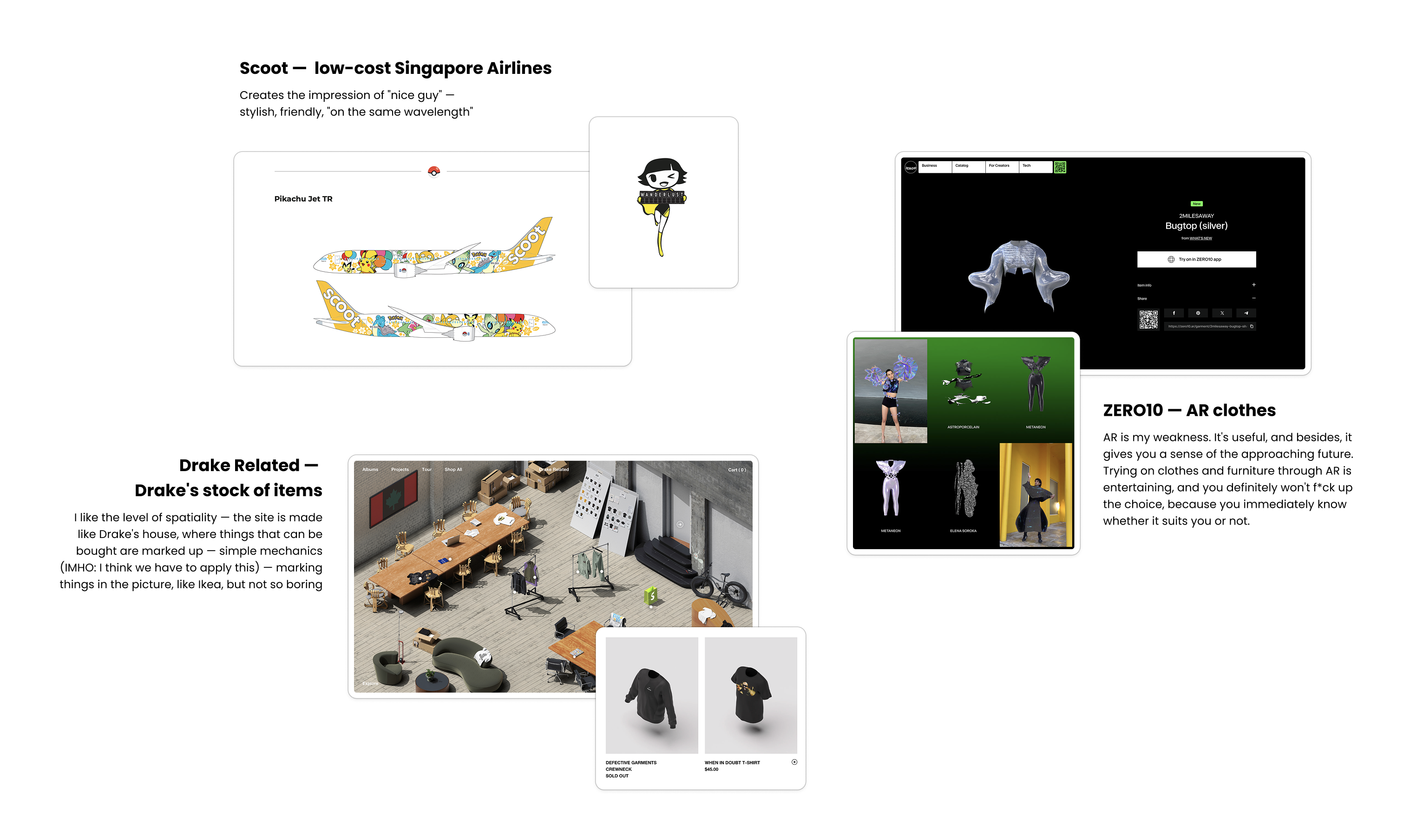
Vibe "we are on the same wavelength"
Create your own atmosphere where you can feel "yourself/calm/safe", so that you spend an endless amount of time (and spend your money).
Balance consistency and product diversity
Completely remove all the "dirt" on the marketplaces — no freedom for sellers. We create a tool — seller puts their product in the tool and it automatically adjusts to our guides.
More spaciousness
3D models, marking in space/in a photo, without borders/frames, seamless interactive, AR. So that you can get stuck in a separate full-fledged world (and spend your money).
Action 02
After searching for a visual language, I moved on to defining design principles to determine what would set us apart from competitors in our niche and what our value would be to the user. Together with the design director and the main product owner, I conducted a workshop, as a result of which we determined the basic principles and values of our future product.
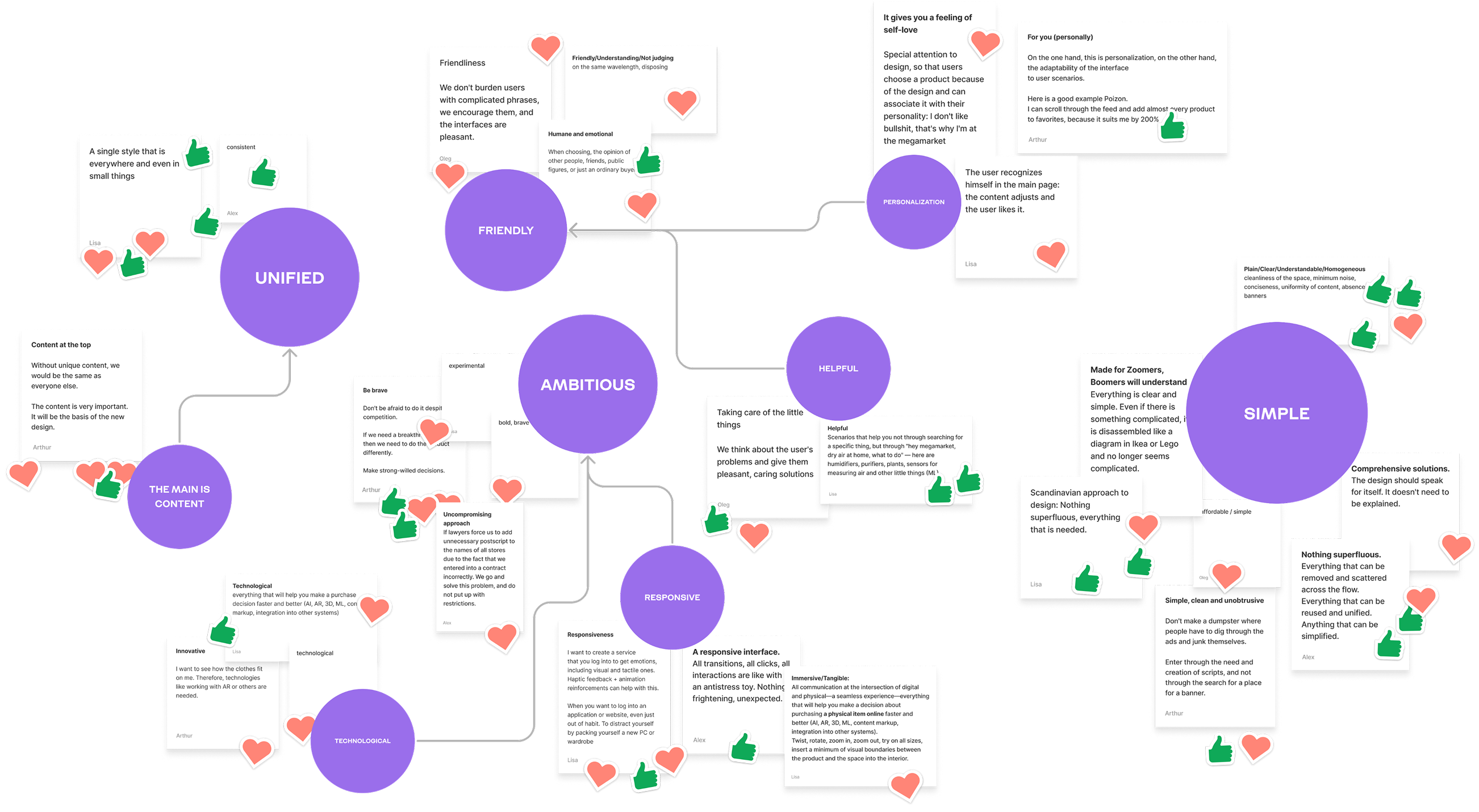
Clear design for easy achievement of goals
As a user
Our design
Boldness solutions for user experience
As a user
Our design
Friendly & helpful
As a user
Our design
Unified experience & consistent design
As a user
Our design
Action 03
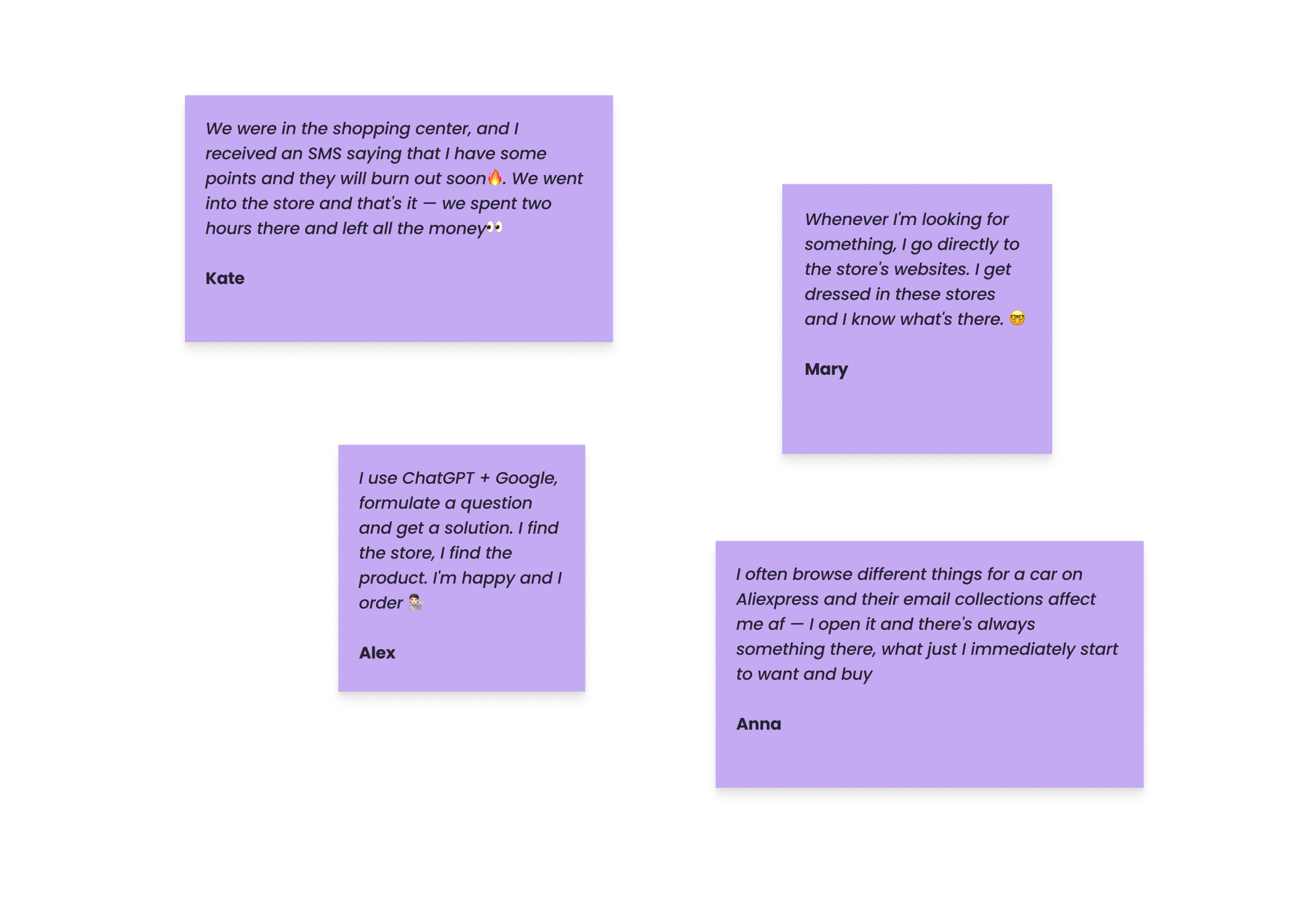
My next step was to understand the patterns behind how people actually shop — why and when they decide to buy, and how they search for the products they're ready to purchase. I ran surveys with users who had made different types of purchases in the past week, and from that I identified 4 core behavior patterns.
Spontaneous purchase
have money → see something →
🖤 fall in love → buy it
Subconscious need
watching/reading/interested in a random topic → 👀 come across something → choose the best option → buy it
A conscious need
problem needs to be solved → reading/asking/looking for a solution →
💡 find a perfect solution → choose the best option → buy it
Specific purchase
know exactly what I want → watching/reading/asking about the ideal option → 🔍 choosing the best offer → buy it
Action 04
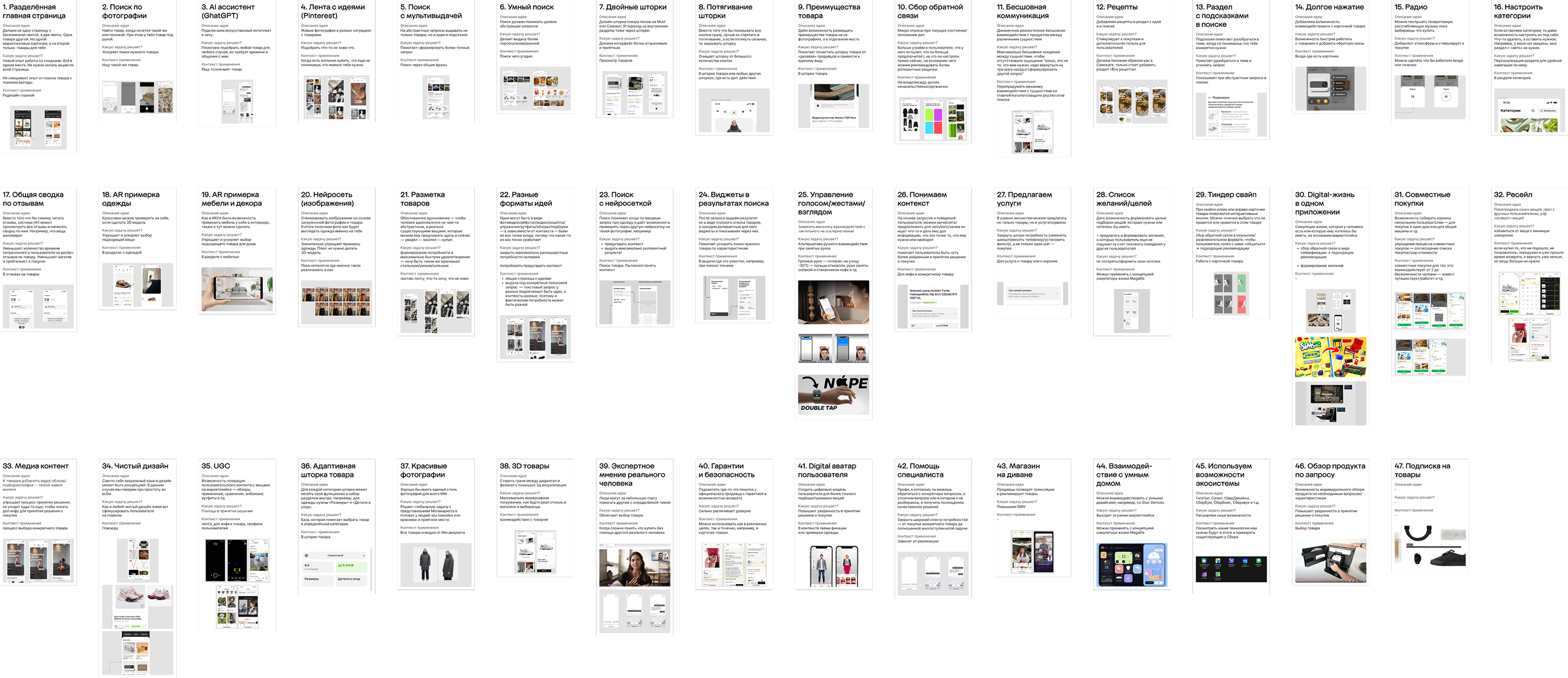
Using these four main shopping scenarios as a foundation, I started shaping the functionality a marketplace should have and how it could help users make a purchase, no matter how clear or formed their need was.
As a result, I generated more than 45 ideas for what a marketplace could look like, each with its problem statement and contextual use case. These ranged from straightforward concepts like an AI-powered search assistant to more unconventional directions — for example, a turnkey digital replica of your home with items organized by real-life categories.
Action 05
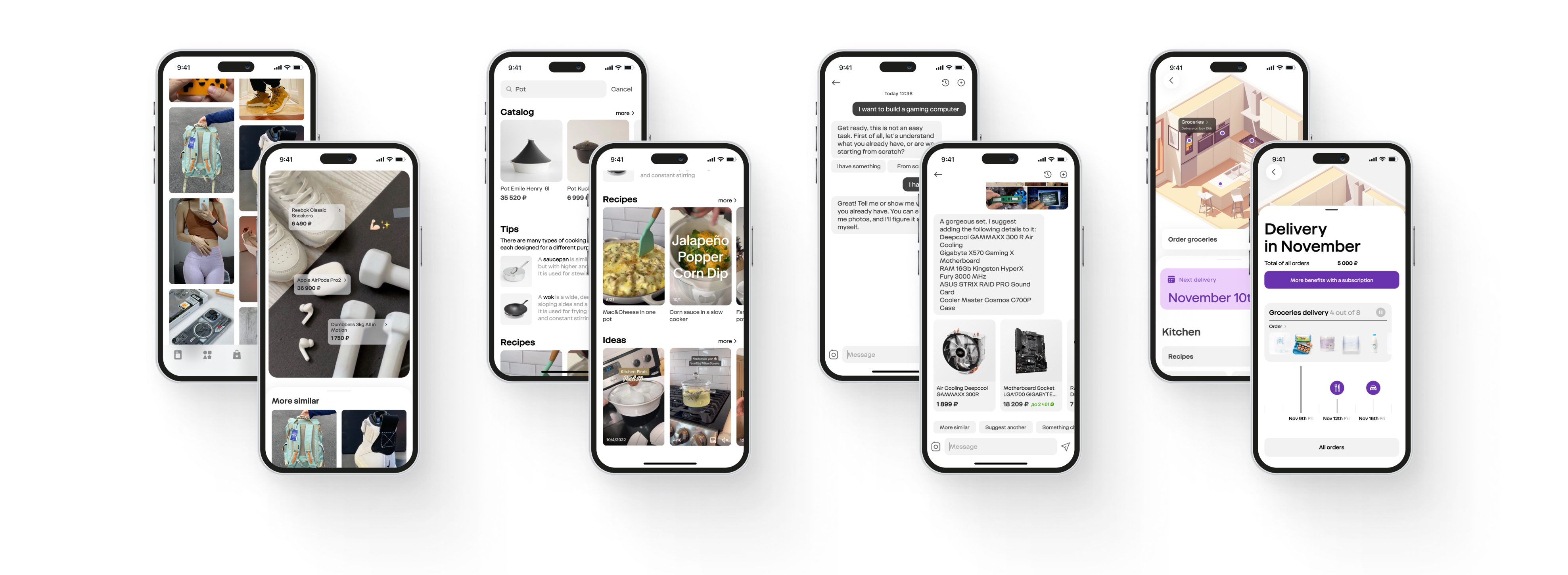
Of course, no one needs to implement all the ideas at once. It was necessary to determine the core idea and functionality, so I grouped all the ideas according to the main messages.
Overall, I came up with 9 complete concepts. One was the minimum viable version — the core fixes we needed to implement first, without any bells and whistles — and the other 8 explored various possible directions for the marketplace.
Action 06
After aligning the core flow with the main stakeholders, I joined the product teams across the entire funnel — from the homepage to post-checkout — to start implementing the concept together with the designers in each team.
Every piece of the product has been updated not only based on the concept, but also taking into account research, metrics, and progressive A/B testing. This eventually led to significant results across the entire funnel.
Action 07
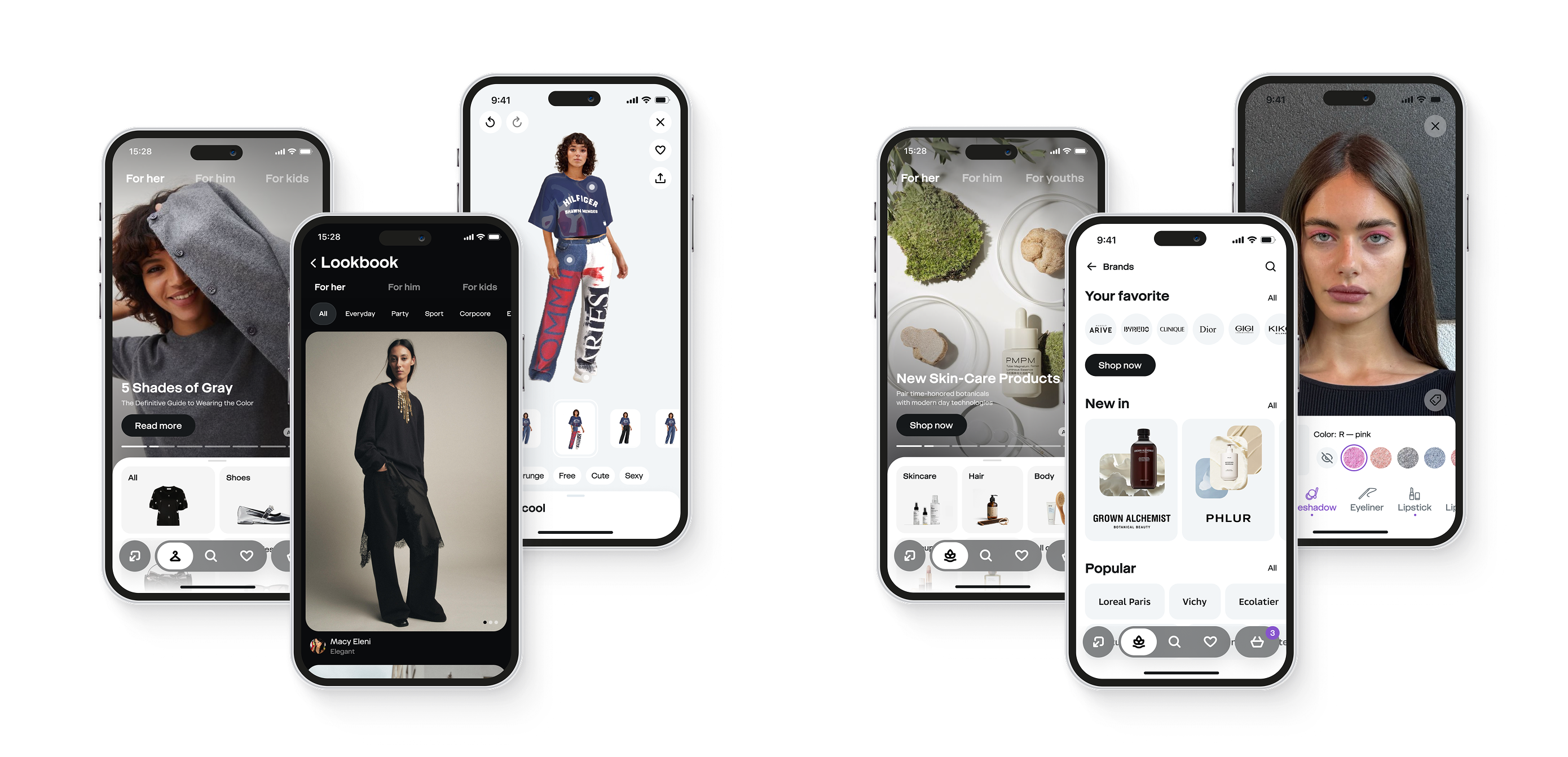
At the same time, while the core flow was being transformed, I continued developing additional concepts that would enhance the user experience, taking into account the specific needs and behaviors of each category.
If you'd like to dive deeper into how I approach a single feature — from identifying the problem to researching, ideating, and validating the final solution — I'd be glad to share a detailed example at our face-to-face meeting
← back to timeline